
Italian Plaster Techniques by Venetian Application Inc
True Italian plaster is a craft rooted in five centuries of tradition. Every finish requires skill, patience and a detailed understanding of how lime based materials respond to layering, pressure, timing and environmental conditions. Venetian Application Inc uses authentic Italian techniques passed down through generations, shaped further by more than forty eight years of hands on experience. Artisan Dean Baker applies these techniques with precision, creating finishes that reflect the beauty, depth and authenticity of old world Italian plaster.
The word technique refers not only to how the plaster is applied but also how it is shaped, compressed, textured, polished or carved. Each Italian finish demands its own method. Some techniques create smooth clarity while others reveal natural stone texture, atmospheric movement or sculptural detail. Through the correct application method, mineral plaster becomes a living surface that matures and strengthens over time.
Venetian Application Inc provides these traditional techniques throughout Los Angeles, Beverly Hills, Malibu, Santa Monica, Pasadena, West Hollywood and surrounding areas. The company offers more than one hundred finishes, each requiring a technique tailored to its intended appearance and performance.
The foundation of Italian plaster craftsmanship
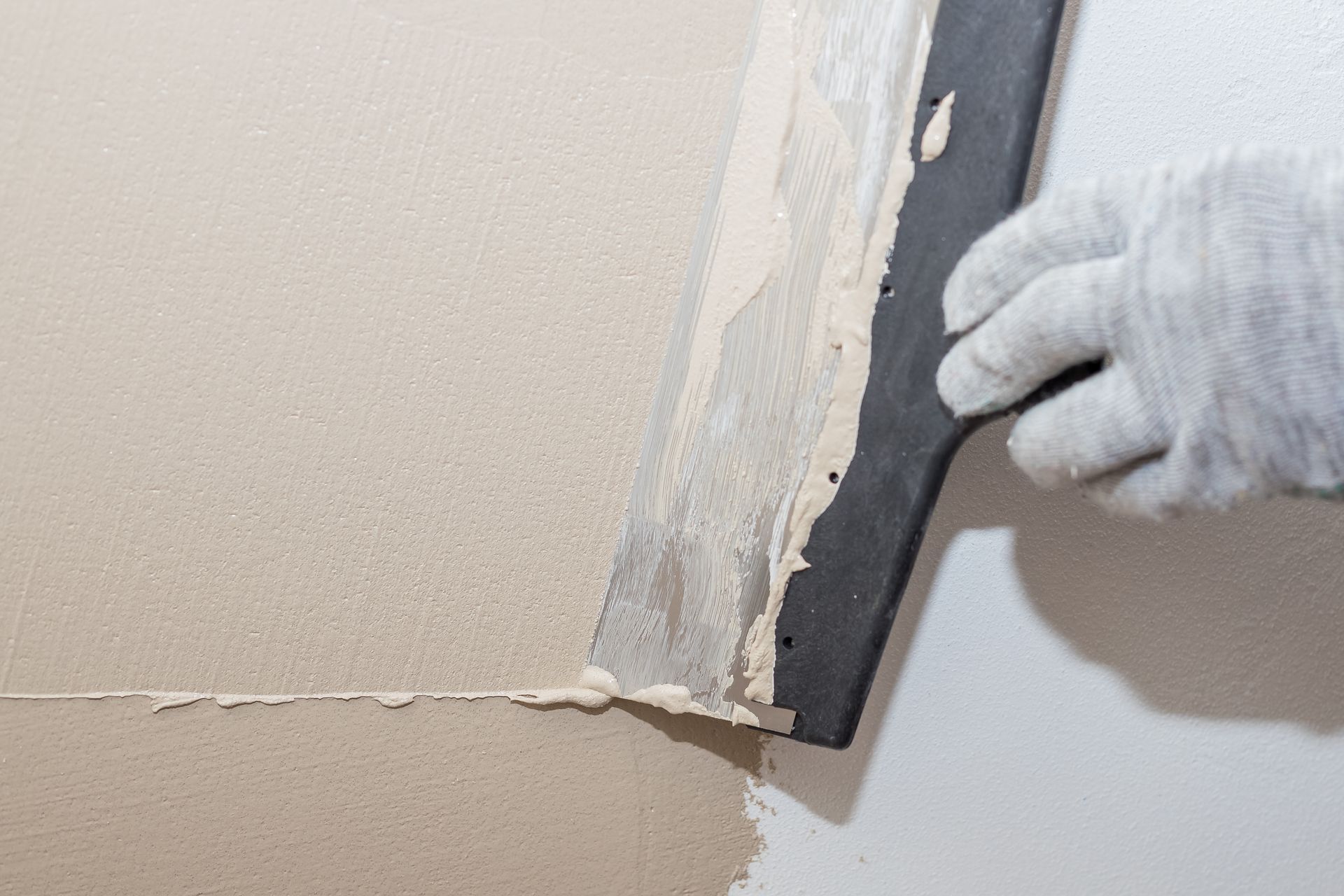
Italian plaster is unlike modern synthetic coatings. It is a natural material composed of lime, marble powders and mineral pigments. The quality of the finish depends entirely on the artisan’s technique. Lime plaster bonds through carbonation, a chemical process where lime absorbs carbon dioxide and transforms into stone. This means that technique influences not only appearance but also structural strength.
Foundational elements of proper technique include:
• preparing the substrate with precision
• applying thin controlled layers
• evaluating plaster behaviour during curing
• adjusting pressure, direction and speed of the trowel
• balancing mineral movement and tonal variation
• managing environmental factors such as air flow and humidity
These steps must be performed consistently to achieve durable, elegant results.
Layering techniques for smooth finishes
Smooth finishes such as Marmorino, Marmorino Two, Nova, Rasa and Veneziano demand refined layering techniques. The artisan must build depth gradually while maintaining clarity and smoothness.
Smooth plaster techniques include:
• applying thin coats to avoid bulk and maintain transparency
• guiding each coat with uniform trowel movements
• refining transitions between layers
• compressing the surface to create clarity or sheen
• polishing the final coat to reveal mineral depth
Each layer must be applied at the correct stage of curing. If the plaster is worked too early it becomes muddy. If worked too late it becomes resistant and brittle. The artisan must read the surface constantly to determine the correct timing.
Techniques for textured and stone inspired finishes
Textured finishes require completely different methods. Finishes such as Travertino, Romano, Pietra, Pesto, Mantovano, Lugano and Etruria rely on mineral structure, controlled texture and sculptural shaping.
Important techniques include:
• using firm trowel pressure to lift or compress texture
• forming subtle channels for Travertino
• developing stone shapes for Romano and Pietra
• blending texture to avoid artificial patterning
• creating transitions that appear natural and organic
• layering mineral content to create depth
These finishes require confidence and experience because texture cannot be corrected easily once set. The artisan must anticipate how the plaster will appear after curing.
Artistic techniques for expressive finishes
Artistic finishes such as Murs D Art, Fiorentino, Arredo and Tattoo Wall Art draw from both traditional plastering and visual arts. These techniques rely heavily on the artisan’s ability to shape movement or create imagery through plaster.
These techniques may include:
• carving or sculpting designs directly into wet plaster
• layering plaster in expressive patterns
• blending colours within the material
• creating atmospheric movement through directional trowel strokes
• integrating raised or engraved artwork
Artistic finishes require more than technical skill. They demand creativity, interpretation and the ability to visualize how texture, tone and depth contribute to the overall design.
The importance of compression techniques
Compression is one of the most influential steps in Italian plaster. When a trowel compresses lime based material at the correct moment, minerals become more compact and reflective. This process strengthens the plaster and often reveals sheen.
Compression techniques vary:
• Light compression creates a satin finish
• Firm compression reveals mineral clarity
• Burnishing produces the polished shine of Veneziano
• Controlled compression highlights movement within Marmorino
• Selective compression enhances textured finishes by unifying raised areas
Compression must be timed carefully. If done too early, the plaster will smear. If done too late, the plaster will resist polishing and may show drag marks.
Custom sampling as part of the technique
Before applying any finish, Venetian Application Inc prepares custom sample boards. These samples allow clients to see colour, movement, texture and sheen under actual lighting conditions. For the artisan, sampling is an essential part of technique because it:
• verifies pigment accuracy
• confirms how the plaster responds to the environment
• establishes the layering sequence
• determines the correct compression method
• ensures consistency for large scale installations
Sampling eliminates guesswork and aligns expectations between client and artisan.
Timing and environmental technique considerations
Lime plaster is highly sensitive to environmental conditions. Humidity, temperature, airflow and substrate temperature all influence curing behaviour. Technique must be adjusted according to these conditions.
Key considerations include:
• slowing down working time in warm dry conditions
• managing moist air that delays proper curing
• adjusting pressure when plaster sets faster than expected
• controlling ventilation to prevent premature drying
• evaluating how pigmentation interacts with lighting
Dean’s extensive experience allows him to adapt technique in real time, ensuring every finish remains cohesive regardless of environmental shifts.
Tools used in Italian plaster techniques
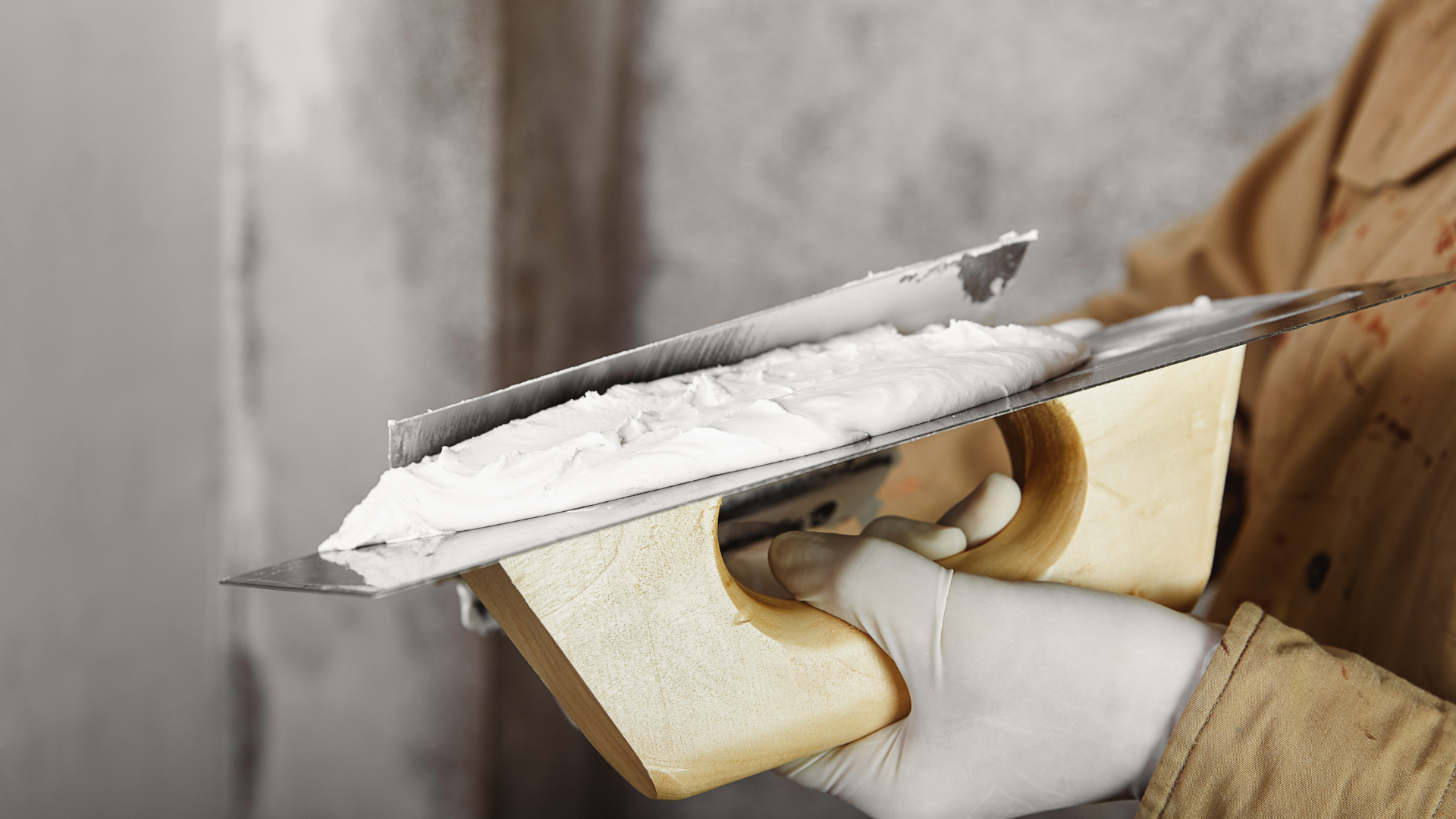
While technique depends heavily on skill, tools also influence the final result. Essential tools include:
• stainless steel trowels for smooth finishes
• smaller specialty trowels for detail work
• flexible blades for burnishing
• sculpting tools for artistic finishes
• textured blades for stone effects
• sponges or cloths for gentle transitions
The artisan must know which tools enhance each stage of application and how to use them without disrupting the plaster’s natural movement.
Longevity supported by proper technique
When applied correctly, Italian lime plaster becomes part of the wall surface. Proper technique ensures:
• long term durability
• resistance to peeling or cracking
• even aging and maturation
• balanced mineral movement
• architectural integrity
Poor technique results in uneven colour, surface failure or premature deterioration. Correct technique ensures finishes remain beautiful for decades.
Areas served
Venetian Application Inc provides authentic Italian plaster techniques throughout Beverly Hills, Malibu, Santa Monica, Pasadena, West Hollywood, Culver City, Carson, Gardena, Hawthorne, Manhattan Beach, Redondo Beach, Torrance, Inglewood and many surrounding Los Angeles communities. Services are also available in selected parts of Orange County and San Diego County.
Contact Venetian Application Inc
For information about our services or to discuss your project, you may reach plaster artisan Dean Baker at 818 398 3864 during business hours, which are Monday through Friday from nine in the morning to six in the evening.